DHZ Hämapherese

German Haemapheresis Centre

and

German Apheresis Research Centre


home
introduction
history
cholesterol
blood donations
methods
Lp(a) atherogenesis
autologues platelets
indications and applications
devices
original literature
general literature
location plan

A B C D E F G H I J K L M N O P Q R S T U V W X Y Z

     Age related macular degeneration (AMD)

AMD is the most frequent cause of blindness in the elderly. Unfortunately, the reason for the destruction of optic nerve cells located at the macula (macula = retinal area of sharp vision) is unknown. Until recently, a generally accepted treatment was not available. At least in one group of patients a deterioration of the microcirculation is considered to be an explaination for the pathogenesis of the disease. Based on of this theory a concept of Rheohaemapheresis Ò or extracorporeal haemorheotherapy was established from Profs. Borberg and Brunner at the university hospital Cologne. Improvement mainly of the "dry" form is possible due to Rheohaemapheresis Ò.

   Angina pectoris / stenocardia

Painful, crampy sensation of tightness located in the chest. Attacks of heart pain due to arteriosclerosis of the coronary vessels. Immediate transport to hospital by paramedics can be life saving. In special cases blood purification techniques (LDL-apheresis, Rheohaemapheresis Ò) can be performed in consensus with the cardiologist.

   Arteriosclerosis

Arteriosclerosis is part of the general aging process, which leads to a thickeníng of vessels and perfusion problems of different organs. Due to so called risk factors, e.g. high LDL-cholesterol value, this process accelerates, especially in patients with familial hypercholesterolaemia, if dietary regimen and medication are insufficient to reduce blood cholesterol values to the normal range. For those patients the implementation of a blood purification treatment should be taken into consideration.

   Autologous blood donation

Donation of blood or blood components (e.g. platelets or plasma) of a patient prior to surgery. Patients have to be informed about the availability of autologous blood donation. Autologous blood donation increases the safety of the patient, avoids allogenic blood donation and is recommended for all surgical procedures, where a relevant blood loss can be expected. The donation of red cells (erythrocytes), plasma and also different blood components like platelets is possible.

   Blindness due to old age

The most common cause of blindness due to old age is age related macular disease.

   Blood fat

Customary description for blood fats including cholesterol (lipids). Chemically fats and cholesterol are different substances. High blood fat values lead to premature arteriosclerosis, especially if combined with other risk factors much as smoking, diabetes or hypertension.

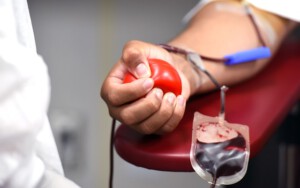
   Blood donation

Voluntary donation of blood or blood components of healthy persons (blood donors) as a therapeutic tool for patients (recipients). During haemapheresis blood donations are collected mechanically by so called blood cell separators or blood separators (device for blood separation).

   Blood purification

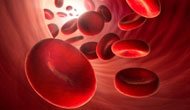
Customary description of a blood treatment process. Several technical devices for separation (e.g. dialysis, centrifugation, filtration, adsorption) are available. Most separation procedures aim to remove blood components (unspecific, selective or specific). Composition of blood: Blood is composed of cells and blood plasma. Red cells (erythrocytes), which are responsible for the colour of the blood, white cells (leukocytes) and platelets (thrombocytes). The white cells can be differentiated further into granulocytes, lymphocytes, stem cells and monocytes. The cells are flowing in the plasma. Plasma without red blood cells is of yellow colour and beside the cells it holds a wealth of different substances like blood fats, cholesterol, proteins, antibodies, etc. Many biological tasks have to be fulfilled from the blood, e.g. transport of oxygen and nutritive substances towards the organs and disposal of metabolic products. Cells and plasma determine the blood fluidity (rheology and viscosity). Haemapheresis concerns on the technical possibilities of blood separation into its components.

   Bypass operation

A surgical procedure which is performed to circumvent a narrow coronary artery (stenosis). Regularly, bypass operations have to be performed in patients with advanced arteriosclerosis due to high cholesterol levels.

   Cholesterol

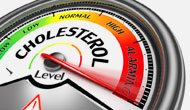
Basic structure of the socalled sterines which are present in all tissues of the body, especially in the central nervous system (CNS). Cholesterol is mainly synthetised in the liver but also processed by this organ. Elevated cholesterol values, an unfavourable composition of cholesterol or a reduced removal could lead to altered or elevated cholesterol levels in the blood, which enhance the development of arteriosclerosis via deposition of cholesterol in the vessels. If a reduction of cholesterol levels towards the normal range is impossible with the help of dietary regimen and cholesterol lowering medication, haemapheresis can reduce cholesterol levels to the normal range with the aid of blood separation devices, e.g. LDL-apheresis. Elevated cholesterol levels have a negative influence on the rheology, but rheology can be improved by haemapheresis treatment.

   Diabetes mellitus

During end-stage-disease diabetes leads to organ perfusion problems, which can be improved by rheohaemapheresis due to the improvement of rheology. Improvements in visual defects, circulatory disorders of diabetic feet and other diseases of the microcirculation can be achieved.

   Familial hypercholesterolaemia

Genetic form of a considerable, excessive elevation of cholesterol in the blood. One differs between the severe homozygous and a more moderate heterozygous form. Homozygous patients have to undergo LDL-apheresis on a weekly basis as other therapeutic options are insufficient. Approximately 90 % of heterozygous patients can be treated sufficiently with a dietary regimen combined with cholesterol lowering medication.

   Granulocytes

A special family of white blood cells (leukocytes), which mainly serves as endogenous protection against infection. At the DHZ granulocytes can be collected via granulocytapheresis for transfusion in septic patients.

   Haemapheresis

Mechanically supported on-line separation of blood into its components for the purpose of blood donation or the treatment of diseases.

   Haemorheotherapy

See Rheology, see Rheohaemapheresis ®

   HDL-cholesterol

Cholesterol of high density ("high density lipoprotein"). This fraction of cholesterol can be isolated via separation of cholesterol by ultracentrifugation. High HDL-cholesterol levels are known to be protective in arteriosclerosis as it enables to remove cholesterol from vessel walls and supplies the liver with cholesterol.

   Myocardial infarction

Plug of a coronary vessel caused by a blood clot; danger of deadly cardiac failure. Arteriosclerosis is the main cause for myocardial infarction, often as a result of elevated cholesterol levels and plaques in the coronary vessels. Usually a painful or discomfortable tightness in the chest (angina pectoris) is recognised prior to myocardial infarction. Immediate medical aid is necessary.

   LDL-apheresis (see methods)

Oldest, medically effective, specific and most economic process of extracorporeal LDL-elimination. Regularly, the name is misused by different procedures eliminating LDL-cholesterol among other plasma components.

   LDL-cholesterol

Lipoproteins of low density, which can be separated via ultracentrifugation of blood samples. Elevated LDL-cholesterol levels are mainly responsible for the development of arteriosclerosis and a major risk factor.

   Leukaemia

Excessive production of white blood cells (leukocytes, WBC) in the bone marrow and elevated WBC in the blood. Extreme amounts of such cells may seriously compromise the rheology of the blood. The excess of these cells can be removed by a haemapheresis procedure (cytapheresis). The application of platelets or less often granulocytes collected at a haemapheresis unit may reduce the risk of infection and bleeding complications (supportive treatment), in the recipient.

   Leukocytes

White blood cells. Leukocytes can be collected via haemapheresis (leukocytapheresis).

   Metabolic disease

Diseases caused by disturbances of metabolism, e.g. cholesterol metabolism (e.g. hypercholesterolaemia), fat metabolism (e.g. hypertriglycerinaemia), iron metabolism (e.g. haemochromatosis), salt metabolism (e.g. hypercalcaemia). Several metabolic diseases can sucessfully be treated using haemapheresis procedures.

   Metabolism

Biochemical processes in a (human) organism.

   Plasma

Blood fluid. The composition of plasma (and blood cells) characterizes the viscosity and rheology of the blood. For the patient Rheohaemapheresis Ò shows a positive influence on unfavourable rheologic effects.

   Retinal surgery

Platelets collected by a haemapheresis procedure (autologous platelet donation) can be used as a glue in retinal surgery.

   Rheology

Science of flow properties. The science of flow properties of liquids, powders and solid systems is influenced from external mechanical force related to physical laws. The rheology of blood is also determined from physical laws. Rheology plays a major role in the technique of haemapheresis. The blood flow properties are influenced by blood cells and the composition of plasma.

   Rheohaemapheresis ®

Most modern development of devices for extracorporeal haemorheotherapy. Rheohaemapheresis Ò leads to a positive influence on plasma and cellular flow attributes with a single treatment already.

   Rheotherapy

Treatment of alterations of rheology by nutrition regimens, exercise, medication, infusion of liquids and blood separation. Blood separation procedures like haemapheresis are increasingly applied because of its increased effectiveness as compared to earlier approaches. Different technical devices are available including outdated and expensive devices. While choosing an optimal technical device it should be kept in mind that not only the composition of the plasma but also blood cells are to be influenced. Also the experience of operators and the cost factor has to be considered.

   Risk factors

The lifestyle (e.g. nutrition, lack of exercise or working habits) can be described as risk factors, if quality of life or life expectancy are reduced thereby. Several risk factors have been detected by costly european and US american statistical based investigations. The most important risk factors are: · Blood cholesterol (total cholesterol, elevated LDL-cholesterol, reduced HDL-cholesterol, elevated blood fat) · Smoking (especially cigarettes) · High blood pressure (Hypertension) · Diabetes mellitus · Obesity · Lack of exercise · Genetic disposition (positive family history for vascular diseases) · Age · Further clinical-chemical factors, like elevated Lp(a) or homocysteine

   Stem cells

Bone marrow stem cells, which are released into the blood on certain circumstances and can be collected during stem cell apheresis. Since several years the DHZ offers the treatment of autologous and allogenic stem cell transfusion to hospitals electively, if medical expertise concerning stem cell transfusion is otherwise not available.

   Thrombocytes

Also named platelets are blood cells, which contribute mainly to blood coagulation. A lack of platelets can lead to bleeding complications or bleeding to death. If the production of platelets in the bone marrow is insufficient due to e.g. cancer treatment, bleeding complications can be reduced by a platelet donation. Platelet donations are for this purpose collected by haemapheresis devices as a special donation from healthy volunteers.